
Is Pink Rock Salt Actually Healthier? The Truth Behind the Trend

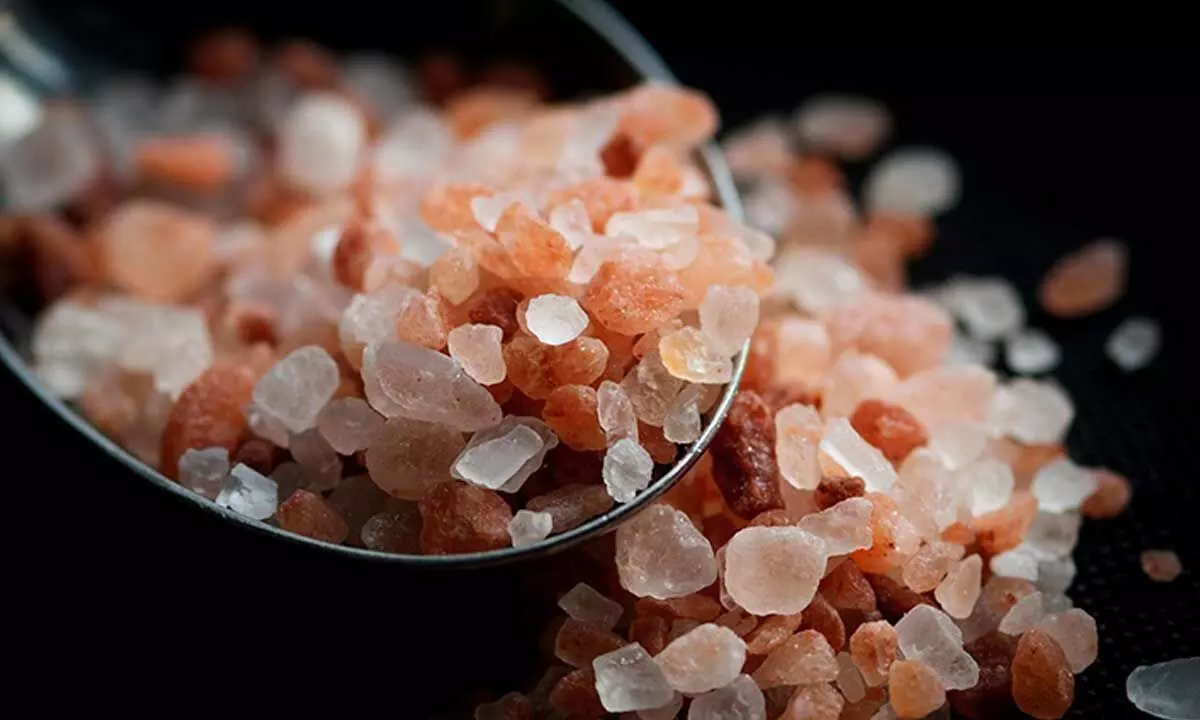
Pink rock salt has become a popular choice in many homes, often promoted as a more natural and healthier alternative to regular table salt. Its attractive colour and mineral-rich image have helped it gain a strong presence in cooking, wellness trends, and social media. But despite the claims surrounding it, pink rock salt isn’t very different from ordinary salt when it comes to actual health impact
Pink rock salt, often promoted as a cleaner and more wholesome alternative to regular table salt, has become extremely popular in recent years. Its natural colour and mineral-rich image have helped it gain a reputation as a “superior” salt option. But despite the glossy marketing and viral online claims, experts say the health differences between pink salt and regular salt are far less dramatic than many believe.
Minerals in Pink Salt: Too Little to Make a Difference
Pink rock salt gets its colour from trace minerals like magnesium and calcium. While these minerals do exist in the salt, they are present in very tiny amounts—far below what the body needs for real nutritional impact. Both pink salt and regular salt are mainly made of sodium chloride, so the body reacts to them the same way.
Iodine: The Advantage Pink Salt Lacks
Regular table salt is fortified with iodine, an essential nutrient that helps prevent thyroid problems. Pink rock salt usually does not contain added iodine. For people who rely heavily on salt as their iodine source, replacing iodised salt with pink salt may increase the risk of iodine deficiency over time.
Salt Type Doesn’t Change the Main Issue: Sodium Intake
Health risks from salt come mainly from consuming too much sodium, not from the colour or source of the salt. Most people exceed the recommended daily limit because packaged foods, takeaways, and snacks contain high amounts of hidden salt. Whether it is pink, white, or sea salt, too much sodium can still contribute to high blood pressure and strain on the heart and kidneys.
What Really Matters for Better Health
While pink rock salt may look appealing and taste slightly different, it does not offer meaningful health advantages over regular iodised salt. Managing total sodium intake and choosing iodised salt when possible remain far more important for long-term well-being. Balanced eating, mindful seasoning, and whole foods make a bigger difference to overall health than switching salt varieties.


