
Novo Nordisk’s Alzheimer’s study falls short, marking a setback for the pharmaceutical leader.

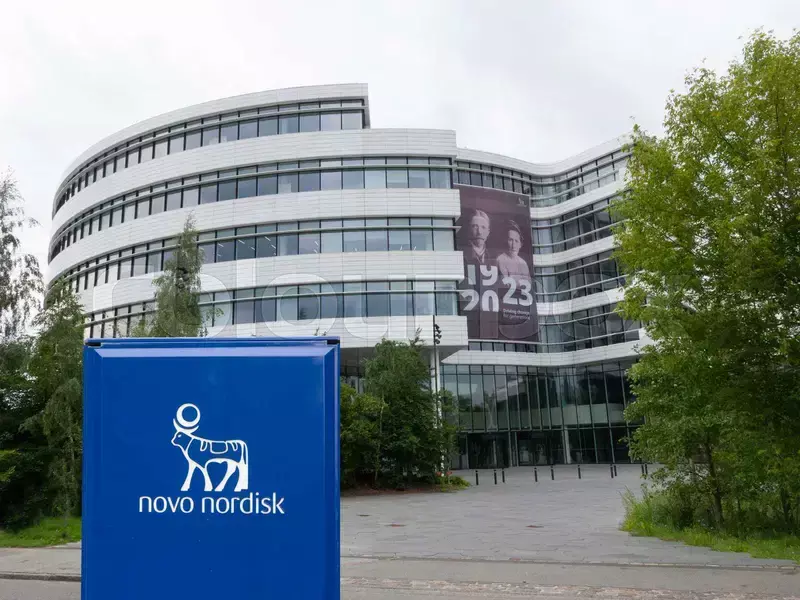
Novo Nordisk (NOVOb.CO) reported on Monday that the closely watched Alzheimer’s trials using an older oral version of semaglutide had failed to show any meaningful effect in slowing down the progression of the disease.
Novo Nordisk trials fail, which Novo had called a “lottery ticket” earlier this year given the highly uncertain chances of success, aimed to test whether the drug could slow the rate of cognitive decline in patients with Alzheimer’s.
As a result, the hopes that Alzheimer’s drug failure major new market for GLP-1 drugs such as semaglutide have faded. Novo has been trying to identify ways to develop the medicines further beyond their current, hugely successful use in diabetes and obesity as competition intensifies in its core biotech industry.
Erik Berg-Johnsen, portfolio manager at Novo shareholder Storebrand Asset Management, told Reuters the failure was likely “a nail in the coffin” for semaglutide-based products for Alzheimer’s treatment.
Clinical trial setback had been closely followed for indications of whether GLP-1 drugs, now taken by millions for weight-loss drug company, might also have an impact on Alzheimer’s. The medicine used was Rybelsus, Novo’s oral semaglutide pill, approved for use as a treatment for type 2 diabetes. It contains the same active ingredient as the company’s headline drugs Ozempic and Wegovy.
“It’s a long-term bet, so it’s a lottery ticket in that way”
Speaking to medical research in March, Ludovic Helfgott, Novo’s Executive Vice President for Product and Portfolio Strategy, had described the trials as a “lottery ticket.” “It’s a long-term bet, so it’s a lottery ticket in that way,” he had said.
Globally, Alzheimer’s and other forms of dementia are suffered by over 55 million people and existing treatment options are limited. Novo said on Monday that semaglutide still has a strong evidence base for the treatment of type 2 diabetes, obesity, and related conditions.
“While semaglutide did not demonstrate efficacy in slowing the progression of Alzheimer’s disease, the extensive body of evidence supporting semaglutide continues to provide benefits for individuals with type 2 diabetes, obesity, and related comorbidities,” said Chief Scientific Officer Martin Holst Lange in a statement.


