
Food, science, and storytelling: Youth-led gut health education
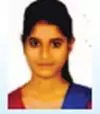

16-year-old Anushka Bahorey has become a young advocate for gut health, blending cultural wisdom with scientific understanding. Through The Daily Digest, her student-led initiative, she creates resources, workshops, and cookbooks that make nutrition accessible to families, schools, and NGOs. In this interview, she discusses her journey, her inspiration, and how she hopes to reshape the way young people understand gut health.
What first sparked your interest in health, nutrition, and the gut–brain connection?
I’ve always been fascinated by how the body works, but my real inspiration came from home. Growing up, I watched my mom treat stomach discomfort with simple remedies like chaas, ajwain water, dal-khichdi, or haldi-doodh. They worked every single time. The link between food, comfort, and healing made me curious about why these traditional recipes were so effective. That curiosity slowly led me toward studying gut health and the gut–brain connection.
What made you realise gut health is an area where young people and families need more awareness?
Because so many people around me—friends, relatives, classmates—struggled with acidity, bloating, or low energy and didn’t know where to begin. Teenagers often rely on packaged snacks, not realizing how deeply the gut affects mood, immunity, and focus. When people kept asking me to share more tips, I realised there was a real awareness gap.
How did the idea for The Daily Digest begin?
It honestly started in my kitchen. My mom and grandmother shared recipes they grew up with, and I began researching the science behind them. I converted those notes into small write-ups and shared them with others. What began as personal curiosity slowly became a platform because so many people were looking for simple, trustworthy guidance.
For someone hearing about your project for the first time, how would you explain what The Daily Digest does?
We take everyday Indian foods and explain how they support gut health. We translate home recipes into simple science, teach students how digestion works, and create tools for families and NGOs so gut health feels practical and affordable.
What problem in nutrition education were you trying to solve?
Most advice online is Western, expensive, or unrealistic. I wanted to bring people back to what we already have—curd, dal, fermented foods, spices. Schools and NGOs lacked culturally rooted, science-backed tools, so I focused on filling that gap.
Can you share a moment that made you feel your work was making a real difference?
During one session, students initially seemed unsure, but by the end they were asking questions, sharing habits, and discussing changes they wanted to try. Watching that shift from curiosity to genuine engagement showed me the power of even one conversation.
Gut health can be scientific. How do you explain it so children can understand?
I avoid jargon. I describe the gut as a “garden of good bacteria” and digestion as “your body turning food into fuel.” Instead of saying probiotics, I point to familiar foods—idli, dosa, dahi, chaas. When science connects to culture, it becomes easy.
What myths do you encounter most often?
The biggest one: gut health requires supplements or powders. Another is that Indian food is “too heavy,” when dal, rice, curd, pickles, and spices are incredibly gut-friendly. And many people think gut issues don’t influence mood or focus—when they absolutely do.
Which of your resources has been the most impactful?
My cookbook, A Table Full of Stories. It mixes science with family memories and traditional recipes. People told me it felt like “a warm hug with scientific footnotes,” which is exactly what I hoped for.
What challenges did you face while creating gut-friendly recipe swaps?
The hardest part was avoiding trendy ingredients.
Everything had to be from a regular Indian kitchen. I tested recipes with my family and refined them based on feedback until they felt homely and familiar.
How do you balance schoolwork with workshops and content creation?
By staying organised. School always comes first, so I plan workshops around my study schedule. I take only the partnerships I can manage well. Consistency helps me keep everything balanced.
What unexpected skills have you developed through this project?
I learned how to translate science into simple, visual explanations. I became more confident creatively—designing content, finding the right analogies, and communicating warmly. I also developed leadership skills through facilitating sessions and responding to students’ questions.
How do you see youth-led health education shaping the future?
Young people make health feel relatable. When wellness is explained without judgment, it becomes easier for others to adopt. I think the future will see more accessible, culturally aware, everyday-habit-focusedhealth education.


