
RBI upbeat on ‘virtuous cycle’ of pvt investment, commends govt efforts

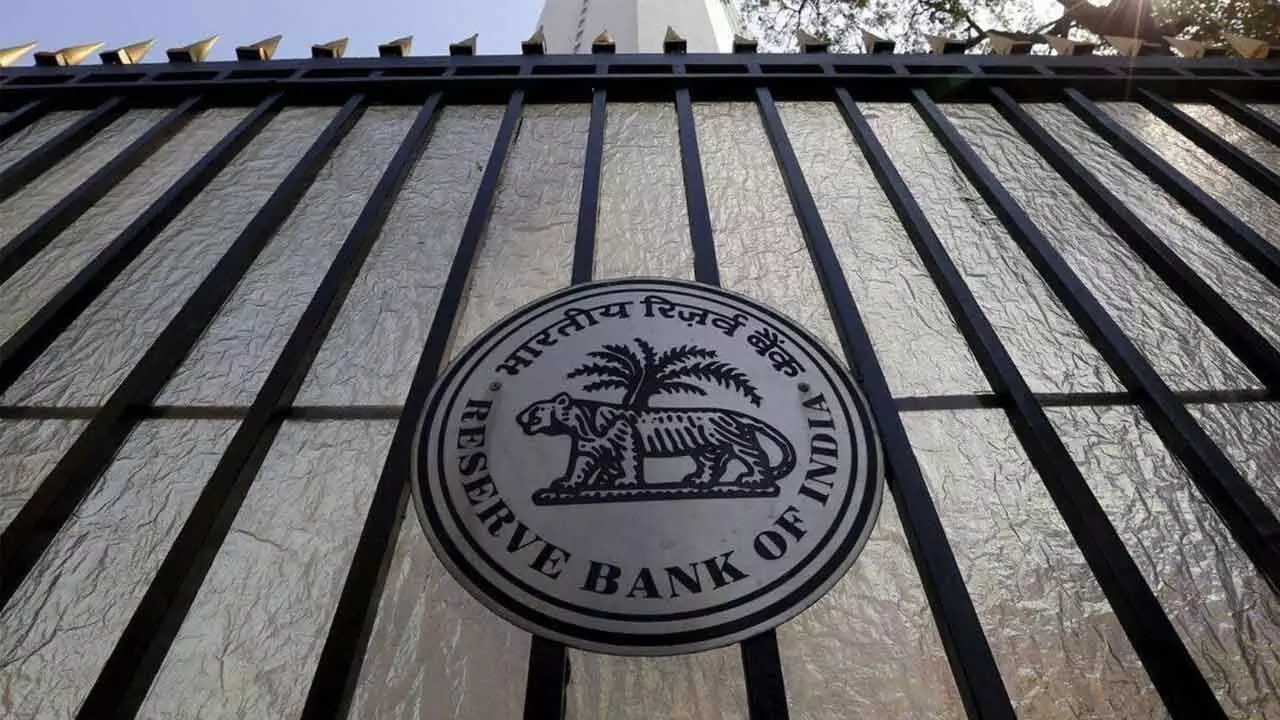
The latest monthly ‘State of the Economy’ report of the Reserve Bank of India (RBI) is quite bullish about the economy: “The fiscal, monetary, and regulatory measures undertaken so far this year should pave the way for a virtuous cycle of higher private investment, productivity, and growth, leading to long-term economic resilience.” The bullishness is not groundless. Global headwinds, including the tariffs imposed by the Donald Trump administration, and domestic challenges have failed to break the country’s economy’s momentum; it remains the fastest-growing economy in the world. It is true that the quality of high growth rate has been challenged by experts; critics have pointed out, not entirely inaccurately, that public expenditure, especially on infrastructure, has been the main prop of brisk economic expansion (though there have been indications that private investment is picking up).
The buoyancy in October can be directly attributed to rejig in goods and services tax (GST) rates, coupled with festival spending. “GST collections improved over the previous month, indicating a strong pickup in consumer demand,” the report states. While technically it is not necessarily the viewpoint of the central bank, but the fact that it was prepared under the guidance of Deputy Governor Poonam Gupta hints Mint Street. Improved macroeconomic frameworks and outcomes have not only enhanced the ability of financial institutions to support the macroeconomy but also allowed the RBI to better calibrate regulatory measures, to improve the efficiency of financial intermediation and augment the flow of credit to the broader economy, the report said. Further, inflation has moderated to a historic low.
Financial conditions remained benign, with the flow of financial resources to the commercial sector increasing significantly, it noted. These glad tidings are not accidental but the result of a variety of decisions taken in this calendar year, not just the rationalisation of GST rates before Diwali but also the big relief in personal income tax in Budget 2025-26. The sentiment is upbeat after the festival season indices, but private-investment cycles need more than sentiment to have a long run. They require an enabling policy environment that reduces uncertainty, lowers compliance burden, and rewards efficiency and risk-taking. It is here that the government’s reform agenda becomes critical.
Though much has been done on this front, a lot more remains to be done. Liberalisation must not be seen as a one-time event or a set of isolated policy reforms, but as a continuous process aimed at deepening market efficiency and facilitating enterprise. Several sectors still remain encumbered by legacy regulations, high transaction costs, and opaque approval processes. Land acquisition remains a persistent challenge for investors. Contract enforcement, despite improvements, is still slow by global standards.
The financial system, while stable, needs deeper credit markets and more vibrant risk-capital ecosystems to support innovation-led growth. India’s labour force participation, especially of women, remains low, limiting the potential for long-term productivity gains. The new labour codes will improve the situation as they will help everyone, including the employees and employers.
The government must also ensure that its liberalisation agenda is not diluted by ad hoc interventions that undermine policy predictability. Excessive reliance on import tariffs, frequent policy reversals in certain sectors, and inconsistent enforcement of regulatory norms can deter investors. A transparent, rules-based environment is indispensable for sustaining investor confidence—both domestic and foreign.


